Elevate Your Designs with DTF Printing: A Comprehensive Overview
Technologies in DTF Printing: Just How It's Revolutionizing the Sector
The fabric printing industry is undertaking a considerable change, driven by the cutting-edge advancements in Direct-to-Film (DTF) modern technology. These advancements are not only boosting print quality and flexibility yet also simplifying the whole printing procedure. With remarkable ink formulas, improved film and sticky innovations, and the combination of automation, DTF printing offers lively, resilient prints on a range of materials, meeting the enhancing need for modification. As services look for a lot more eco friendly and reliable services, the implications of these advancements call for a closer examination right into just how they are forming the future of fabric printing.
Improvements in DTF Modern Technology
Progressing swiftly, DTF (Direct-to-Film) printing technology has actually undertaken substantial improvements that are revolutionizing the fabric industry. Among one of the most remarkable improvements is the improvement in print high quality. Modern DTF printers use innovative ink solutions that result in lively, resilient prints with high resolution and shade accuracy. These inks are particularly engineered for compatibility with different material types, making certain consistent top quality no matter the material.
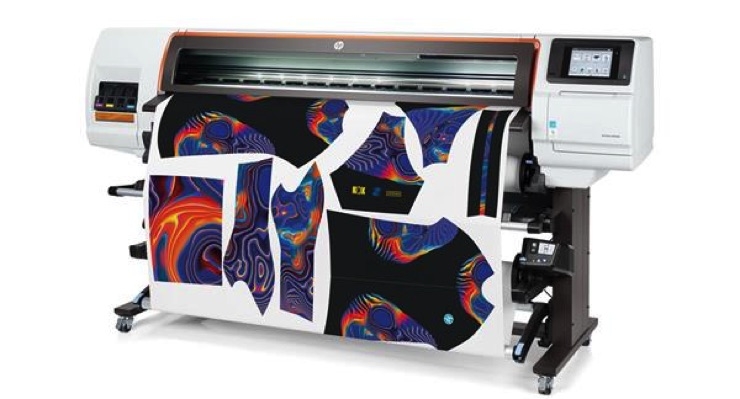
Furthermore, innovations in movie and adhesive innovations have enhanced the total application process. New movies offer much better flexibility and attachment, boosting the longevity and washability of the printed designs - Branded clothing. This ensures that the prints preserve their stability and vibrancy even after several cleans
Last but not least, ecological factors to consider have actually triggered the advancement of green DTF options. Makers are progressively adopting sustainable practices, such as making use of recyclable movies and water-based inks, lining up with international initiatives to lower the sector's environmental footprint.
Advantages Over Typical Approaches
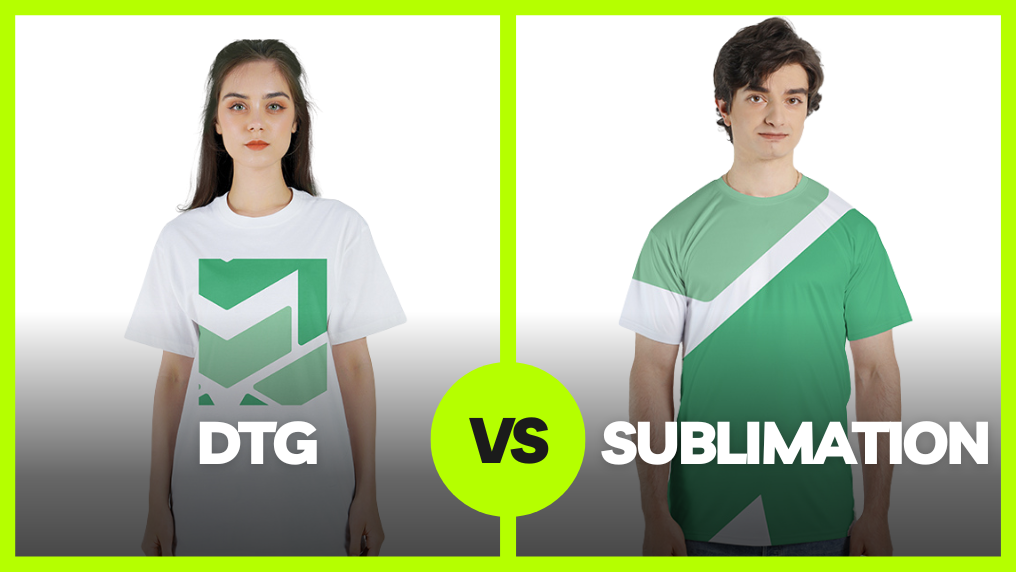
When contrasting DTF printing to conventional methods such as display printing and direct-to-garment (DTG) printing, a number of distinctive advantages arise. Branded clothing. Among one of the most considerable benefits is its convenience in material compatibility. Unlike display printing, which typically requires certain fabric kinds, DTF printing can be applied to a wider series of products, including cotton, polyester, and blends, without endangering print high quality
Another notable advantage is cost-effectiveness, particularly for little to medium-sized orders. Traditional display printing becomes economically feasible only at greater volumes because of the arrangement expenses involved. In comparison, DTF printing eliminates these configuration expenditures, making it much more cost effective for smaller batches and one-off designs.
Moreover, DTF printing masters toughness and washability. The prints generated are robust and preserve their honesty with multiple laundry cycles, outmatching DTG prints that may discolor or fracture gradually. In addition, DTF printing offers faster turn-around times. Without the demand for extensive setup, designs can be printed and moved in a portion of the moment needed for display printing.
Improved Style Abilities
DTF printing supplies boosted layout capacities that establish it apart from traditional printing approaches. The procedure includes printing a layout onto a special film, which is after that moved to fabric.
Moreover, DTF printing sustains a large selection of textiles, including cotton, polyester, blends, and even non-textile substratums. This adaptability opens doors for imaginative applications in diverse markets my sources such as fashion, home style, and marketing products. Unlike display printing, which can be restricting as a result of color separation and pattern creation, DTF printing streamlines the process, making multi-color and photo-realistic layouts a lot more available.
Furthermore, DTF printing excels in accomplishing regular color accuracy and vibrancy. This is crucial for brand consistency and conference customer expectations. The modern technology also supports unique impacts, such as glow-in-the-dark components and metallic finishes, additionally broadening artistic possibilities. Essentially, DTF printing encourages developers to push the limits of imagination, supplying visually spectacular results that were formerly unattainable.
Cost and Time Performance
One of the notable benefits of DTF printing exists in its expense and time effectiveness, making it a preferred choice for several services. Unlike standard techniques that require substantial financial investment in screens and setup times, DTF printing permits for straight application onto different materials with very little preparation.
In addition, DTF printing masters creating short runs and custom orders cost-effectively. The capacity to create top notch prints without the requirement for large quantity dedications lessens waste and enhances source allocation. This adaptability is particularly useful for local business and startups that might not have the funding to spend in massive production runs.
In terms of operational efficiency, DTF printing's streamlined process improves total performance. Thus, DTF printing stands out as a transformative solution in the printing industry.
Future Trends in DTF Printing
Expecting future patterns in DTF printing exposes a landscape marked by fast technical innovations and raised market need (Branded clothing). One considerable pattern is the combination of expert system (AI) and artificial intelligence algorithms to enhance print high quality and improve operations. AI-driven systems can predict potential issues and readjust setups in real-time, making certain continually high-grade result
In addition, improvements in sustainable materials and eco-friendly inks are expected to acquire grip. As ecological problems come to be a lot more pressing, the industry is most likely to see a change in the direction of safe and naturally degradable inks, minimizing its eco-friendly impact.
Modification and customization click for info will certainly likewise play a critical function. With the expanding customer need for distinct, personalized products, DTF printing innovations are developing to offer more in-depth and intricate modification choices. This trend is sustained by improved software application services that permit even more complex and imaginative styles.
Finally, the assimilation of DTF printing with other electronic platforms and shopping services will end up being more smooth. This connectivity will certainly make it possible for companies to use on-demand printing services directly to consumers, better driving growth in the market. These patterns jointly highlight a future where DTF printing not just satisfies but surpasses the evolving needs of the marketplace.
Conclusion
When contrasting DTF printing to typical methods such as display printing and direct-to-garment (DTG) printing, a number of distinctive advantages arise. Unlike display printing, which typically requires certain material types, DTF printing can be used to a broader range of materials, including cotton, polyester, and blends, without compromising print quality.
DTF printing provides boosted style abilities that establish it apart from conventional printing methods. Therefore, DTF printing stands out as a transformative solution in the printing sector.
Advancements in DTF printing considerably improve the textile printing industry by supplying remarkable print quality, efficiency, and flexibility.